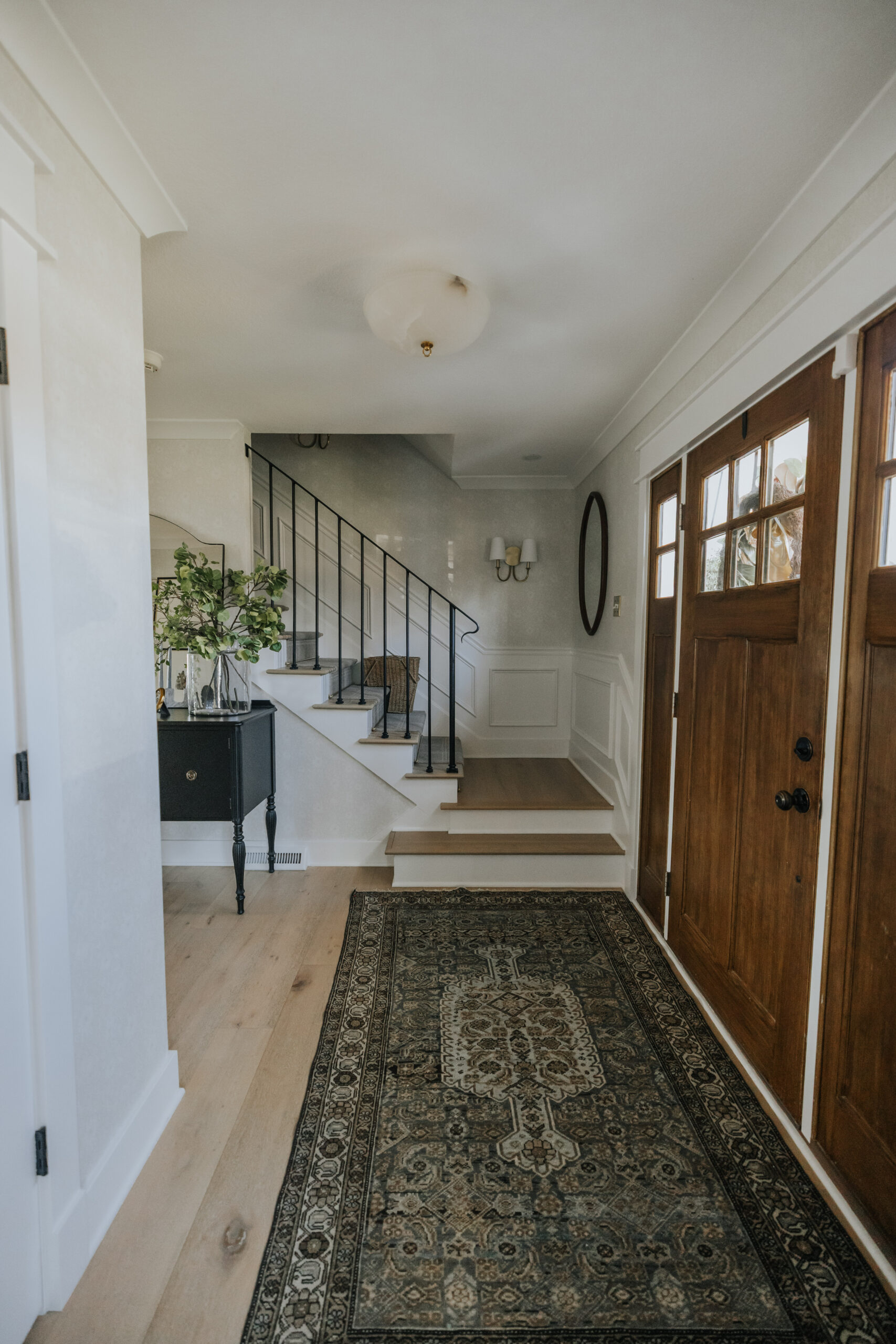
Your entryway is the first thing you see when you come home and the first impression guests have of your space. It sets the tone for everything that follows—the warmth, the style, the feeling of your home. Yet it’s often the most overlooked area, treated as a pass-through rather than a room that deserves intention and care.
An inviting entryway doesn’t require a grand foyer or a large footprint. It simply requires thoughtful attention to both function and beauty. When your entryway works well—when there’s a place for keys, somewhere to set bags, a mirror to check yourself before leaving—it makes daily life easier. And when it looks beautiful—layered with texture, personal touches, and welcoming details—it makes coming home feel special.
The key is understanding which elements create that welcoming feeling, then adapting them to fit the space you have. Let me walk you through each essential element and how to make it work, no matter the size of your entryway.
The Console Table: Your Anchor Piece

A console table is the foundation of most entryways—it’s where everything lands and where styling begins.
Why it matters: A console gives you a surface for keys, mail, and bags. It provides a base for styling with lamps, mirrors, and decorative objects. It anchors the space visually and makes the entryway feel intentional rather than incidental.
For smaller spaces: Look for a narrow console—10 to 12 inches deep maximum. Even a wall-mounted floating shelf can serve the same purpose without the visual weight of legs and a frame. The key is having that horizontal surface, even if it’s minimal.
For medium to large spaces: Choose a console that’s 12 to 18 inches deep and scaled to your wall width. In a large entryway, you might even use a round table in the center of the space instead of a console against the wall—this creates a dramatic focal point and allows for 360-degree styling.
Styling it: Layer your console thoughtfully. A lamp on one side for visual balance, a tray or bowl for catchall items, and one or two beautiful objects—a vase with greenery, a stack of books, a piece of art leaning against the wall. Keep it simple enough to remain functional but styled enough to feel intentional.
The console table anchors your entryway—choose a size that fits your space and style it with layers that balance beauty and function.
The Mirror: Light and Last Looks
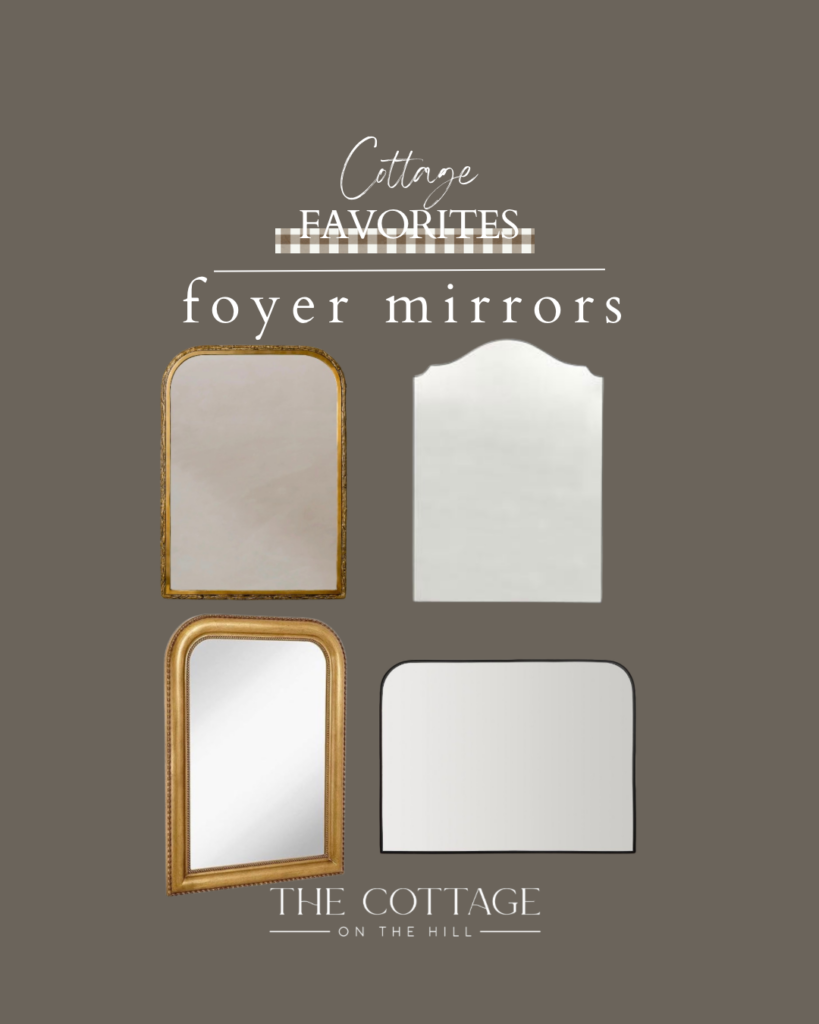
A mirror is non-negotiable in an entryway. It’s functional for last-minute checks before leaving, but it also reflects light and makes any space feel larger.
Why it matters: Beyond practicality, a mirror becomes a focal point. It’s often the first thing your eye goes to when entering, and it sets the aesthetic tone—whether that’s minimal and modern, vintage and collected, or classic and timeless.
For smaller spaces: A medium-sized mirror—round, rectangular, or arched—hung above a slim console or mounted on its own creates impact without overwhelming. Keep the frame simple and proportional to the wall space.
For medium to large spaces: Go larger and more dramatic. An oversized round mirror, an ornate vintage frame, or even a floor-leaning mirror makes a statement. In a spacious entryway, the mirror can be a true focal point—don’t be afraid of scale.
Choosing your style: The mirror frame should complement your home’s overall aesthetic. Brass or gold frames bring warmth, wood frames add organic texture, and simple painted frames feel clean and classic. The reflection it creates is just as important as the frame itself—position it to reflect light from windows or to capture a beautiful view into another room.
A mirror is essential—it reflects light, makes spaces feel larger, and serves as a beautiful focal point scaled to your space.
Seating: The Welcoming Gesture
Seating in an entryway isn’t just practical—it’s an act of hospitality. It says, “Sit, stay, take your time.”
Why it matters: A bench or stool makes putting on shoes infinitely easier. It provides a place to set bags. And visually, it makes the space feel finished and welcoming rather than just functional.
For smaller spaces: A small round stool or narrow bench—even 12 to 14 inches deep—can tuck against a wall or slide partially under a console when not in use. If space is truly tight, a wall-mounted fold-down seat or even a sturdy decorative stool that doubles as a side table works.
For medium to large spaces: A full-sized bench with or without storage underneath becomes a statement piece. Upholstered benches add softness, wood benches bring warmth, and benches with storage offer hidden function. In large entryways, consider flanking a console with a pair of stools or chairs for symmetry.
Styling it: Add a pillow or casually drape a throw over one end—this brings texture and softness. Don’t make it too perfect; let it look lived-in and usable, not precious.
Seating adds both function and hospitality—scale it to fit your space, and style it to feel welcoming, not precious.
Hooks and Storage: Beautiful Function
Even the most beautiful entryway needs practical storage for coats, bags, and everyday items that come and go.
Why it matters: Without designated storage, entryways quickly become cluttered with items piled on furniture or floors. Hooks and hidden storage keep things tidy while remaining accessible.
For smaller spaces: Wall-mounted hooks are your best solution—they take up no floor space and can be incredibly beautiful. Choose 2 to 4 hooks in materials that complement your hardware throughout the home—brass, ceramic knobs, matte black, or wood pegs. Mount them at a comfortable height near the door.
For medium to large spaces: You have more options—a coat rack (wall-mounted or freestanding), a row of hooks, or even a small closet if you’re lucky. In larger entryways, hooks can be more decorative and spaced further apart. You might also add a basket or two under the console for shoe storage or a decorative box for gloves and accessories.
Keeping it beautiful: The key is limiting what you display. Hooks filled to capacity look cluttered. Keep only daily-use items visible and store the rest elsewhere. Choose hooks that are beautiful even when empty—they become part of the design.
Hooks and storage keep entryways functional—choose beautiful hardware and limit what’s on display to avoid clutter.
Lighting: Layering Warmth
Lighting in an entryway sets the mood the moment you walk in. It should be both functional and atmospheric.
Why it matters: Good lighting makes the space feel warm and welcoming. It’s practical for finding keys and seeing yourself in the mirror, but it’s also emotional—the right lighting makes coming home feel special.
For smaller spaces: Overhead lighting is likely your main source, but if you have a console, add a table lamp. Even a small lamp brings warmth and makes the space feel more like a room than a hallway. Choose a lamp with a textured base—ceramic, brass, or wood—and a fabric shade that casts soft light.
For medium to large spaces: Layer your lighting. Overhead lighting—a pendant, chandelier, or flush mount—provides general illumination. Add table lamps on the console or side tables for ambient warmth. Wall sconces flanking a mirror or above the console add another beautiful layer. The more sources, the more dimension and warmth.
Choosing fixtures: Your lighting should complement your home’s style. Traditional fixtures bring classic elegance, modern fixtures feel clean and streamlined, and vintage or antique finds add character. Don’t forget dimmer switches—they allow you to adjust the mood based on time of day.
Lighting creates atmosphere—layer multiple sources when possible, and always include something beyond overhead lighting for warmth.
Rugs: Defining and Grounding the Space

A rug in the entryway defines the space, adds warmth underfoot, and brings pattern and texture into the room.
Why it matters: A rug signals “this is the entry”—it creates a visual boundary and makes the space feel intentional. It also protects your floors and adds a layer of comfort and beauty.
For smaller spaces: A small area rug (3×5 or 2×3) or a runner can define a narrow entryway without overwhelming it. Keep the pattern soft and the colors neutral or complementary to your overall palette. The rug should fit the space—not so large that it touches all the walls, but substantial enough to anchor the console or seating.
For medium to large spaces: You can use a larger rug that sits under furniture—the console, bench, or even chairs if you have them. A 5×7 or larger rug grounds a spacious entryway beautifully. Layered rugs—a larger natural fiber rug with a smaller patterned rug on top—add even more dimension and texture.
Choosing patterns: Traditional patterns, vintage-inspired designs, or soft geometrics work beautifully. The pattern should add visual interest without competing with other elements in the space. If your entryway is very small or very busy visually, a solid or textured rug might be better than a patterned one.
Rugs define and ground entryways—choose a size that fits your space and a pattern that adds interest without overwhelming.
Art and Personal Touches: Making It Yours
This is where your entryway becomes uniquely yours—the art, photos, and objects that tell your story.
Why it matters: An entryway filled only with functional pieces feels utilitarian. Art and personal touches transform it into a reflection of who you are and make guests feel welcomed into your home, not just your hallway.
For smaller spaces: One piece of meaningful art above the console or mirror, or a small gallery moment on a side wall, is often enough. Choose something you love that sets the tone for your home’s aesthetic. A framed family photo, a vintage find, or a piece that makes you smile every time you see it.
For medium to large spaces: You have room for a gallery wall, multiple pieces of art, or larger statement pieces. Frame family photos in a cohesive style, create a collected wall of frames in varying sizes, or hang one oversized piece that commands attention.
Adding meaningful objects: On the console, include things that matter—a bowl that was your grandmother’s, a vase you found on a special trip, a stack of books you love. These personal touches make the space feel inhabited and loved, not just decorated.
Art and personal touches make an entryway feel like home—choose pieces that tell your story and bring you joy.
Texture Layering: Creating Depth and Warmth
Just as in every other room, texture is what makes an entryway feel inviting rather than flat.
Why it matters: When every surface is hard and smooth, a space feels cold. When you layer different textures, you create visual and tactile richness that invites people in.
The textures to layer:
Hard surfaces: Wood or painted console tables, mirrors with metal or wood frames, ceramic or stone accessories. These provide structure and grounding.
Soft surfaces: Upholstered bench seats, pillows, throws draped over seating, fabric lampshades. These bring comfort and warmth.
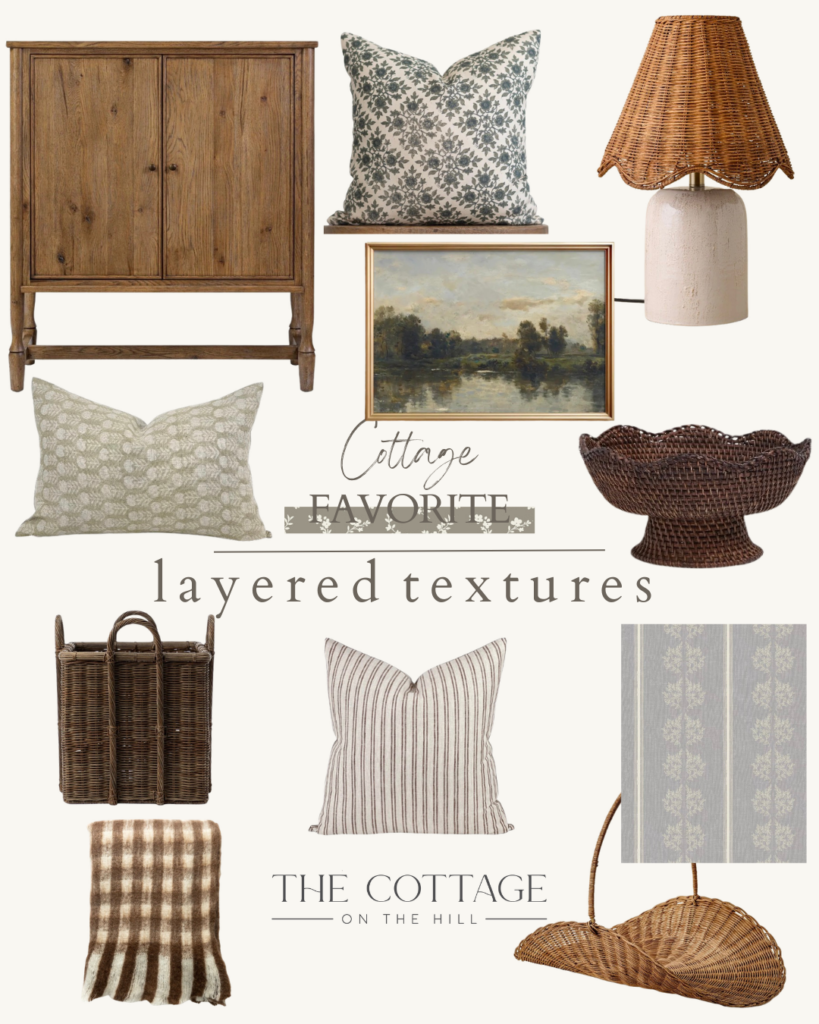
Woven textures: Baskets for storing items, jute or sisal rugs, woven trays on the console, rattan or wicker accents. These add organic warmth and visual interest.
Natural elements: Fresh greenery in a vase, potted plants, wood bowls or boxes, stone or ceramic objects. These bring life and authenticity.
For any size space: Mix at least three different textures. A wood console with a ceramic lamp, a woven basket underneath, a soft pillow on a bench, a patterned rug underfoot—each element brings its own texture while working harmoniously together.
Texture creates warmth—layer wood, metal, woven materials, soft textiles, and natural elements for depth and dimension.
Living Elements: Bringing Life Into the Space
Fresh greenery, plants, or even seasonal branches bring organic beauty and life to an entryway.
Why it matters: Living elements make a space feel current and cared for. They bring color, movement, and a sense that the home is alive and tended to with love.
For smaller spaces: A simple vase with a few stems—eucalyptus, olive branches, or whatever is seasonal—sits beautifully on a slim console. A small potted plant on a shelf or side table works if you have the light. Keep it simple and scaled to the space.
For medium to large spaces: You can go larger—a substantial arrangement of branches in a floor vase, a potted fiddle leaf fig or olive tree in the corner, or a generous arrangement of fresh flowers or greenery on the console. These elements bring height, drama, and organic beauty.
Keeping it seasonal: Change what you display with the seasons—spring blossoms, summer greenery, fall branches, winter evergreens. This keeps the entryway feeling fresh and connects your home to the rhythms of the year.
Living elements bring life and beauty—scale them to your space and change them seasonally for a fresh, cared-for feeling.
The Practical Layer: Making It Work Daily
No matter how beautiful your entryway looks, if it doesn’t function well for daily life, it will feel frustrating rather than welcoming.
Designate a place for everything: Keys always go in the same bowl or tray. Mail has a specific basket. Bags have a designated hook or bench. When everything has a home, the space stays organized and functional.
Choose durable materials: Entryways endure heavy use—shoes, bags, weather, traffic. Choose rugs that can handle dirt, surfaces that wipe clean easily, and finishes that develop patina rather than showing every scratch or mark.
Keep surfaces clear: Don’t fill every inch of your console. Leave room for daily items that come and go—packages, bags, things that need to go out. A cluttered surface defeats the purpose of having one.
Design for your household: If you have children, install lower hooks they can reach. If you live alone, you might prioritize beauty over abundant storage. If you have pets, consider washable rugs and sturdy furniture. Always design for how you actually live.
Function comes first—design your entryway to support your real daily life, not just how you think it should look.
The Welcoming Feeling: Putting It All Together
When all of these elements come together—the console with its layers, the mirror reflecting light, the seating that invites you to pause, the hooks keeping things tidy, the lighting casting warmth, the rug defining the space, the personal touches that make it yours—your entryway transforms.
It becomes more than a pass-through. It becomes a welcome. A transition. A reminder that you’re home.
The size of your space doesn’t determine how welcoming it can be. A tiny entryway with a slim console, a beautiful mirror, a small stool, and thoughtful styling can feel just as inviting as a grand foyer. It’s not about the square footage—it’s about the intention.
Choose pieces that fit your space. Layer in texture and beauty. Make it functional for your real life. Add personal touches that tell your story. And most importantly, create a space that makes you exhale every time you walk through the door.
That’s what an inviting entryway does. It welcomes you home, every single day.
An inviting entryway isn’t about size—it’s about intention, layering, and creating a space that welcomes you home.
Ready to create an entryway that feels welcoming? Head to my LTK for console tables, mirrors, benches, lighting, rugs, and all the elements that make an entry both functional and beautiful.