
There’s a particular kind of beauty that comes from thoughtful millwork—the kind that makes you pause in a doorway and think, “This room feels different.” You might not immediately know why. It’s not loud or showy. But the space feels more finished, more intentional, more like it was designed rather than just decorated.
Millwork is the quiet architecture of a room. It’s the trim around your windows and doors, the crown molding at the ceiling, the paneling on your walls, the built-in shelving that looks like it’s always been there. When done well, millwork doesn’t demand attention—it simply elevates everything else in the space.
This is one of my favorite aspects of design because it’s foundational. You can change your furniture, swap your textiles, update your accessories—but good millwork becomes part of the home’s story. It’s the detail that makes a house feel custom, collected, and unmistakably intentional.
Millwork Creates Architecture Where There Isn’t Any
Not every home is blessed with beautiful original details, but millwork can create them.
A flat wall becomes interesting with board and batten or picture frame molding. A basic doorway gains presence with substantial casing. A standard ceiling feels taller with crown molding. These additions don’t just decorate—they create actual architectural interest where none existed before.
I’ve transformed builder-grade homes by adding thoughtful millwork. Suddenly, rooms that felt generic have character and depth. The space doesn’t just look more expensive—it feels more intentional.
Millwork creates architecture—it transforms flat surfaces into dimensional, interesting spaces.
The Power of Trim Work

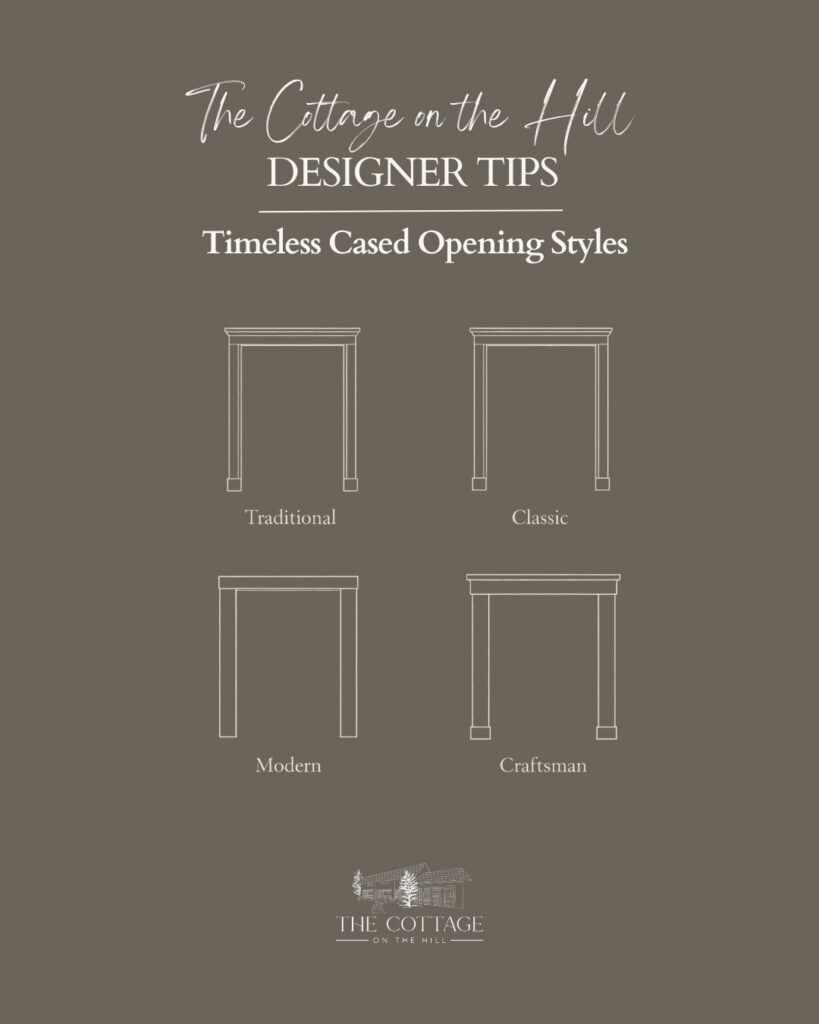

Never underestimate the impact of beautiful trim around windows and doors.
Substantial trim work—think 3.5 to 5-inch casings instead of the standard 2.25-inch builder trim—completely changes how a room reads. It gives weight and presence to openings, frames views like art, and makes windows and doors feel like intentional design elements rather than functional necessities. Upgrading your trim is one of the most impactful changes you can make, and it’s more affordable than most people think.
Substantial trim work frames a room and makes every opening feel intentional.
Crown Molding Adds Elegance and Height
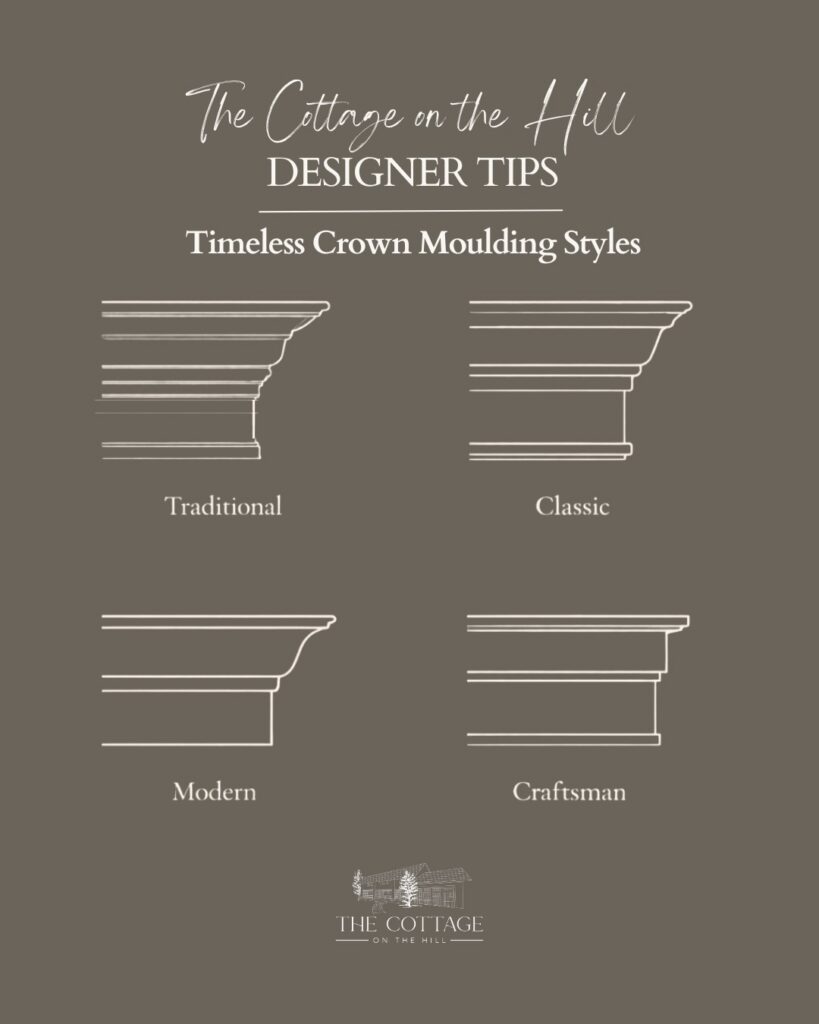
Crown molding is the detail that finishes a room from the top down.
When done proportionally, crown molding creates a sense of completion. It softens the transition between wall and ceiling, draws the eye upward, and adds elegance that’s hard to achieve any other way.
The key is choosing the right profile and scale for your space. In rooms with 8-foot ceilings, keep it simpler and smaller. With 9 or 10-foot ceilings, you can go larger and more substantial.
Crown molding completes a room—it’s the finish that makes everything feel intentional.
Wall Treatments Bring Dimension
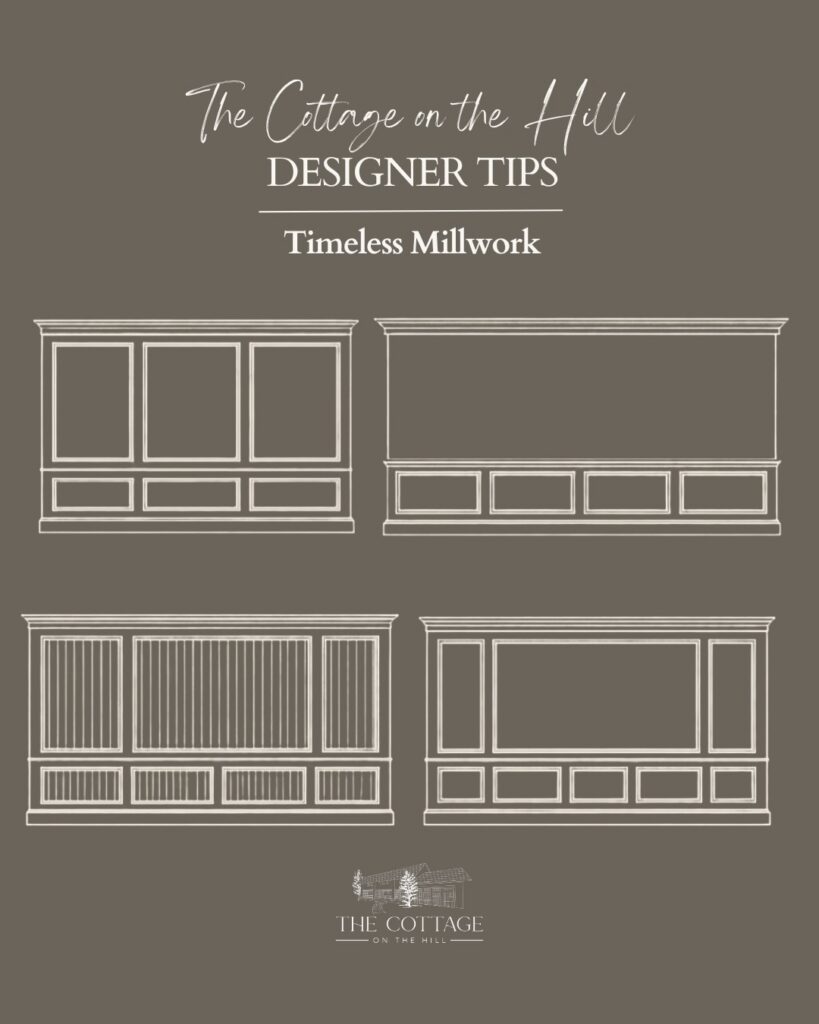
Flat walls are fine, but walls with dimension are memorable.
Wainscoting adds texture and visual interest to the lower portion of walls—beautiful in dining rooms, entryways, bathrooms, and hallways. Board and batten creates vertical lines that add height and shadow, working perfectly in bedrooms, mudrooms, and stair walls. Picture frame molding creates rectangular frames that add sophistication without being heavy.
All of these techniques can be painted the same color as the wall for a tonal look, or in contrasting colors for more definition. They transform flat surfaces into dimensional, layered architecture.
Wall treatments transform flat surfaces into dimensional, layered architecture.
Built-Ins Create Custom Storage and Display
There’s something about built-in shelving and cabinetry that makes a room feel designed for you.
Built-ins don’t just add storage—they add architecture. Flanking a fireplace with custom shelving creates symmetry. Window seats with storage make use of awkward spaces. A wall of bookcases transforms a room into something that feels collected and intentional.
The beauty of built-ins is they look like they’ve always been there. They’re not furniture you bought—they’re part of the room’s structure. Design them with thoughtful proportions, beautiful details, and they become one of the most valuable elements in the home.
Built-ins feel permanent and intentional—they transform storage into architecture.
Ceilings Deserve Attention Too
If you really want to transform a room, look up.
Coffered ceilings—where beams create recessed panels—add incredible depth and drama. They make rooms feel more formal, more custom, more architecturally significant. Beautiful in dining rooms, living rooms, and primary bedrooms where ceiling height allows.
Exposed or decorative beams instantly add soul. In homes with vaulted ceilings, they create warmth and break up vast expanses. Stained to show wood grain or painted to blend—beams make a ceiling feel intentional.
Even simple ceiling paneling in shiplap or tongue and groove adds texture and warmth without overwhelming the space.
Details on the ceiling add drama and dimension—they make rooms feel truly custom.
Mantels Become Focal Points
A beautiful fireplace mantel is often the heart of a room, and thoughtful millwork makes it unforgettable.
Substantial corbels, beautiful proportions, a mantel shelf deep enough to style—these elements create a focal point that anchors the room. I love designing mantels that feel collected rather than manufactured, using reclaimed wood, incorporating stone or tile, adding details that make the fireplace feel like it’s been there forever.
A well-designed mantel doesn’t need much styling because the architecture itself is doing the work.
A well-designed mantel becomes the room’s focal point—it grounds the space with presence.
The Details That Matter
Good millwork isn’t just about adding trim—it’s about the details that make it feel custom.
Proper proportion is essential. Trim that’s too small reads as cheap; molding that’s too ornate feels dated. The goal is balance—substantial enough to have presence, simple enough to feel timeless.
Clean execution matters. Millwork should be installed with precision—tight joints, smooth paint, no sloppy gaps. And paint quality matters—use durable, high-quality paint with the right sheen (semi-gloss or satin for trim).
The details make or break millwork—proportion, execution, and finish quality all matter.
Millwork as Investment
Millwork is one of the best investments you can make in your home.
Unlike furniture or decor you’ll change over time, millwork becomes a permanent part of your home’s architecture. It adds real value. And unlike trendy finishes that feel dated quickly, classic millwork is timeless.
When budget is limited, I’d rather spend on millwork than expensive furniture or finishes. The architecture outlasts everything else and makes everything else look better.
Millwork is an investment in your home’s bones—it’s value that lasts.
Start Small, Build Over Time
You don’t have to transform every room at once.
Start with one high-impact change: upgrade the trim in your main living space, add crown molding to your dining room, or install board and batten in a hallway. See how it transforms the space.
Then build from there. Each piece you add enhances everything that came before, creating cohesion and architectural richness that grows over time.
You don’t have to do everything at once—start with one room and build from there.
The Feeling of Finished
When millwork is done right, a room shifts from feeling decorated to feeling designed.
It’s the difference between a house and a home. Between a space that’s fine and a space that’s special. This is why I’m so passionate about millwork—it’s the architecture that makes a home feel permanent, intentional, and deeply beautiful.
If you’ve been wondering what’s missing in a room, the answer might be millwork. Not more furniture, not more accessories—just better bones. And once those bones are right, everything else falls into place.
Millwork transforms rooms from decorated to designed—it’s the architecture that makes a house feel like home.
Looking for inspiration and resources for millwork projects? Head to my LTK for trim profiles, hardware, paint recommendations, and the tools you need to create beautiful architectural details in your own home.